Home Relief for Ear Ache: What Actually Works (From Someone Who Gets Them)
This post contains affiliate links. If you buy through our links, we may earn a small commission at no extra cost to you — and it helps keep Forged Family HQ running. We only recommend what we actually use or have researched thoroughly.
I’ve had ear aches my whole life. Not occasionally. Six or seven times a year, every year, since I was a kid.
Turns out I have a small structural issue with the way my ear canals drain. Wax builds up, pressure builds with it, and before long I’m pacing the kitchen at 10 PM with one hand pressed against the side of my head. After thirty-something years of this, I’ve landed on a simple three-step routine for home relief for ear ache that knocks out the pain in under fifteen minutes most of the time.
If you’re reading this with that same hand position right now, I get it. You don’t want a list of twelve things you “could try.” You want to know what actually works.
It’s the same routine we use for our kids when they’re old enough for it. It’s not magic, and it doesn’t replace a doctor when something serious is going on. But for the everyday “my ear is killing me” episodes, it’s saved us more urgent care trips than I can count.
Here’s exactly what we do, why it works, and when you should skip the home remedies and call your doctor instead.
What’s Actually Happening When Your Ear Aches
Most people assume an ear ache means an infection. Sometimes it does. Most of the time, it doesn’t.
There are five common causes of the kind of ear pain you’d Google at home:
- Wax buildup. The most underrated cause by far. Wax hardens, presses against the eardrum, and creates a deep, throbbing ache that feels exactly like an infection. This is what’s happening to me about 80% of the time.
- Trapped moisture. Common after swimming or a long shower. Water sits in the canal, irritates the skin, and sometimes invites bacteria.
- Minor outer ear infection. Often called swimmer’s ear. Itchy, painful, sometimes with a little redness around the opening.
- Sinus pressure. When your sinuses are inflamed, that pressure travels right into your ears. Feels like fullness plus pain, often worse when you bend over.
- Cold or flu inflammation. Your Eustachian tubes — the small tubes that connect your middle ear to the back of your throat — get swollen, and the pressure mismatch causes pain.
Here’s a quick way to tell wax from infection: if your ear feels full and muffled with a dull ache, it’s probably wax or pressure. If it’s sharp pain plus fever or any drainage, that’s more likely infection territory and worth a call to your doctor.
For the vast majority of home ear aches, you’re dealing with wax, moisture, or pressure. And those respond beautifully to a natural cure for earache that you can do with stuff already in your bathroom.
The 3-Step Home Relief for Ear Ache Routine We Use
This is exactly what I do the moment an ear ache starts. Most of the time, it’s gone before I’d have even gotten an urgent care appointment scheduled.
Step 1 — Clean the ear canal first.
I lather up a mild bar soap in my hands, get a good amount of suds going, and gently work it into the outer ear canal with a fingertip. Not deep. Just enough to break down whatever is sitting at the entrance. Rinse with warm water, tilt to drain, pat dry.
This step alone has fixed maybe a quarter of my ear aches over the years. It addresses dirt, bacteria, and the outer layer of softened wax all at once. Don’t skip it because it sounds too simple.
Step 2 — Break down the buildup.
If the pain is still there after the rinse, I pull out Debrox Earwax Removal Drops. It’s just carbamide peroxide — the same stuff in over-the-counter teeth whitening — formulated for ear use.
You tilt your head, drop in five to ten drops, and let it sit for about ten minutes. You’ll hear it fizz. That’s normal — that’s the wax breaking down.
After ten minutes, tilt your head over a tissue and let it drain. If there’s still pressure, a gentle warm-water rinse with a bulb syringe finishes the job.
Step 3 — Kill the pain.
Once the canal is clear, I drop in one drop of pure organic lavender essential oil. Just one. Tilt the head, let it sit, and within a few minutes the pain is usually gone or down to a whisper.
Lavender oil has been studied for both its calming and mild antimicrobial properties — researchers have noted its effect on certain bacteria — but honestly, in our house I just know it works. We use this for our kids who are 13 and up. For younger children, talk to your pediatrician before putting anything in their ear.
That’s it. Three steps, about fifteen minutes start to finish.
What Else We’ve Tried (and Why We Moved On)
Before I landed on the routine above, I tried just about every home remedy on the internet. A few are worth mentioning, mostly so you don’t waste time on them the way I did.
Warm compress. This is the number one suggestion you’ll find on every health blog. I’ve tried it maybe a dozen times. It feels nice, but it doesn’t address the actual cause.
If your pain is from wax pressure, a warm rag on your ear isn’t going to break that wax down. For sinus-related ear pain, it can take the edge off — but that’s about it.
Olive oil drops. A classic. Warm olive oil does help soften wax over time, and it’s gentle enough for kids.
The problem is “over time.” It can take days of consistent use, and when your ear hurts right now, you don’t want to wait three days.
None of these are bad. They just weren’t the fastest, most reliable home remedy for ear ache for adults that I was looking for. If something on this list works for your family, keep using it.
What We Actually Use for Home Relief for Ear Ache
These are the three products that live in our medicine cabinet specifically for this. Nothing fancy. Nothing expensive. All of it tested over many, many flare-ups.
Debrox Earwax Removal Drops
What it is: Gentle carbamide peroxide drops formulated specifically for ear use. Available at any pharmacy and most grocery stores.
Why we use it: Wax pressure is the root cause of most of my ear aches, and Debrox breaks it down faster and more thoroughly than anything else I’ve tried. The fizzing action reaches buildup that soap and water can’t.
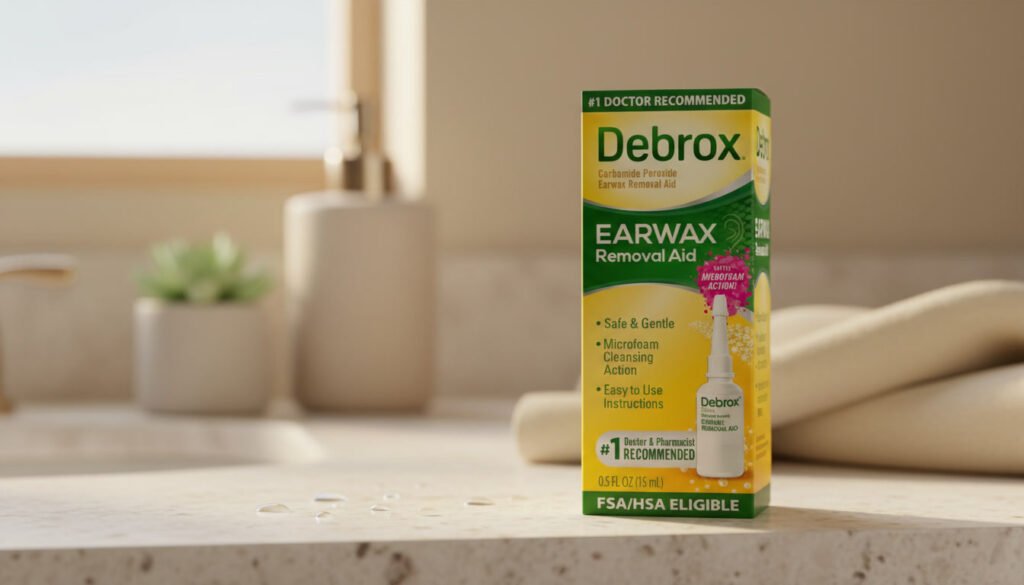
Who it’s best for: Anyone 12 and up who suspects wax buildup. Most pharmacies carry a generic version for less if you want to save a few dollars.
Honest note: The first time you use it, the fizzing inside your ear can feel weird. Slightly warm, slightly itchy — totally normal. If it actually hurts or you feel sharp pain, stop and call your doctor. That can mean a perforated eardrum.
Organic Lavender Essential Oil
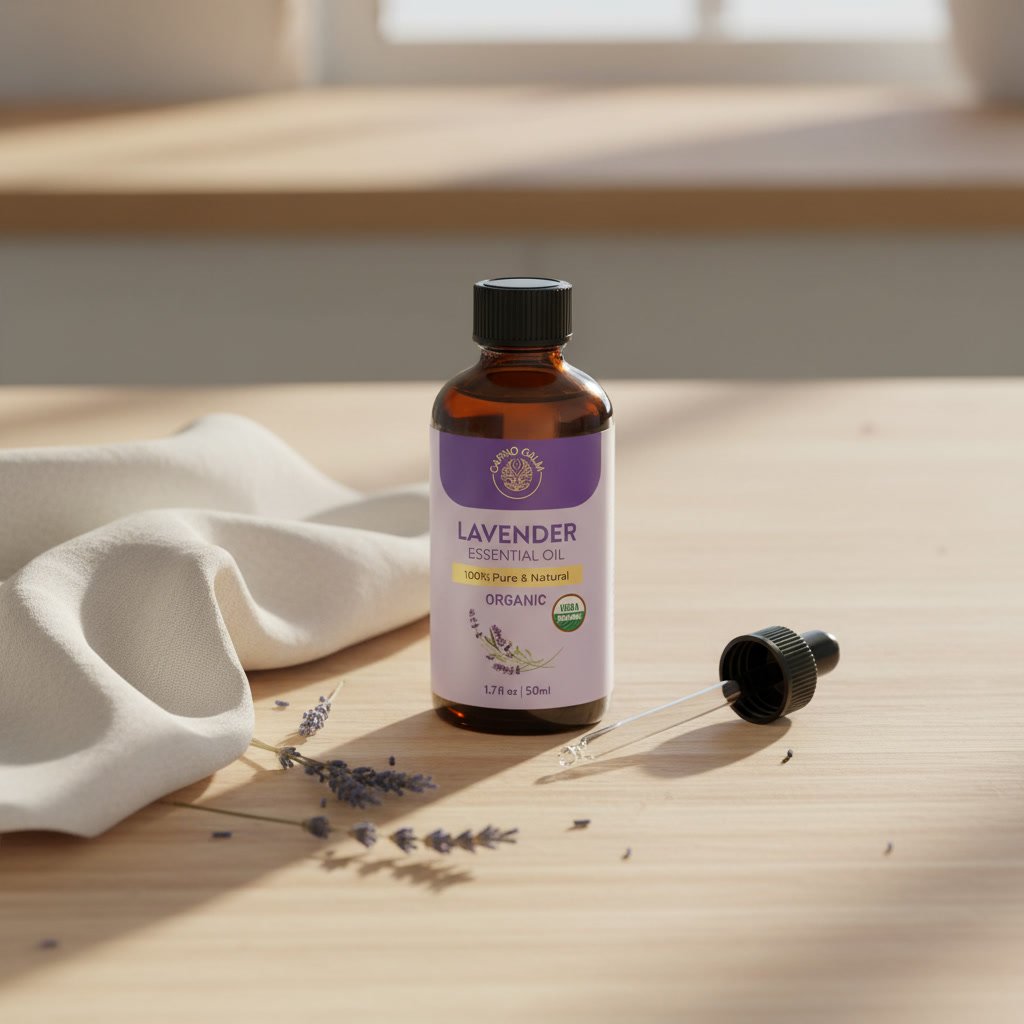
What it is: Pure, single-ingredient organic lavender essential oil. No added “fragrance,” no carrier oils mixed in unless you want them.
Why we use it: Fast pain relief. One drop, a few minutes, done.
Plant Therapy is the brand we trust because they publish their GC/MS test results — basically lab proof of what’s actually in the bottle. A lot of cheap Amazon lavender isn’t really lavender.
Who it’s best for: Adults and teens 13 and up. Many aromatherapists recommend diluting with a carrier oil like fractionated coconut oil for sensitive skin or first-time use — start there if you’re unsure.
Honest note: Skip the bottles you find in big box stores. If the label says “fragrance oil” or doesn’t list the Latin name (Lavandula angustifolia), it’s not what you want anywhere near your ear canal.
Dr. Bronner’s Bar Soap
What it is: Any clean-ingredient bar or liquid soap that lathers well. We use Dr. Bronner’s Pure-Castile because we already have it around for everything else.
Why we use it: First line of defense, costs almost nothing per use, and addresses both bacteria and outer wax at the same time.
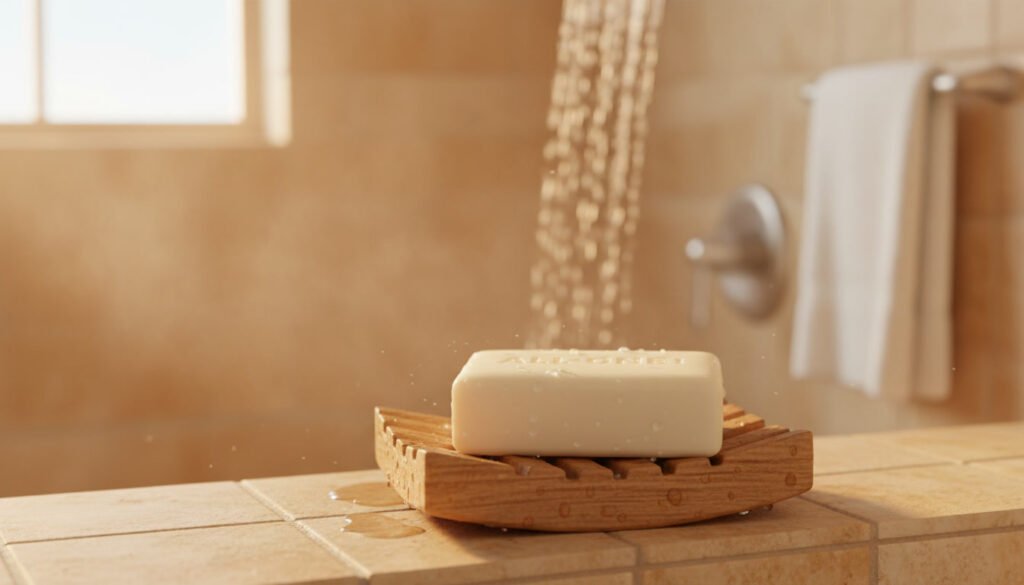
Who it’s best for: Everyone. Same routine works for kids and adults.
Honest note: Skip harsh antibacterial soaps for this. They strip the protective skin barrier in your ear canal and can actually make irritation worse. Gentle is the goal.
Ear Aches in Kids vs. Adults — When the Approach Changes
Kids get more ear infections than adults for one big reason: their Eustachian tubes — those little tubes connecting the middle ear to the back of the throat — are shorter and more horizontal than ours. That means fluid drains less efficiently, and bacteria have an easier time setting up shop. By the time most kids hit middle school, the angle has matured and the problem usually fades.
Our routine works for our kids who are 13 and up. Same three steps, same products, same results.
For kids under 13, we don’t put anything inside the ear without checking with the pediatrician first. What we do instead:
- A warm compress against the outside of the ear
- The pediatrician-approved dose of children’s pain reliever
- A call to the doctor’s office sooner rather than later, especially if there’s a fever
Little ears are different. When in doubt, call your pediatrician. A five-minute phone call is worth a lot more than a wrong guess at home.
When an Ear Ache Needs More Than a Home Remedy
Our family rule: if it’s not improving within two to three days, see a doctor. No exceptions, no toughing it out.
Some signs to skip the home routine entirely and call sooner:
- Fever along with the ear pain
- Any drainage from the ear, especially if it’s bloody or pus-like
- Sudden hearing loss in the affected ear
- Severe pain that isn’t responding to anything you try
- Pain following a head injury, recent swimming session, or air travel
- Symptoms in a child under two years old
Home remedies are a first line of defense, not a replacement for medical care. The routine in this article handles a lot — but it doesn’t handle everything, and it shouldn’t.
Quick-Reference Routine (Save This for Later)
When your ear is throbbing and you don’t want to re-read the whole article, here’s the routine in a nutshell:
- Wash. Lather mild soap in your hands. Gently work suds into the outer ear canal with a fingertip. Rinse with warm water. Tilt to drain.
- Drop. Tilt your head and add 5–10 drops of Debrox into the affected ear. Let it sit and fizz for 10 minutes.
- Drain. Tilt your head over a tissue. If pressure remains, rinse gently with warm water using a bulb syringe.
- Soothe. Add one drop of pure organic lavender essential oil into the clear canal. Let it sit.
- Wait. Most ear aches are noticeably better within 15 minutes. If yours isn’t improving after 2–3 days, call your doctor.
Bookmark this article or screenshot this section for the next flare-up.
Frequently Asked Questions
Q: Can you put lavender oil directly in your ear? A: We do — one drop of pure, organic lavender oil, never the cheap “fragrance” stuff. Many aromatherapists recommend diluting with a carrier oil like fractionated coconut or olive oil, especially for sensitive skin or first-time use. If you’ve never used essential oils before, start with the diluted version and see how your skin reacts.
Q: How long does it take for ear wax drops to work? A: Usually five to fifteen minutes for the fizzing and softening to do its job. We follow up by tilting the ear over a tissue to drain, then gently rinsing with warm water if needed. Don’t dig with cotton swabs — that just packs wax deeper and can scratch the canal.
Q: How do I know if my ear ache is an infection or just wax buildup? A: Wax pressure usually feels like fullness, muffled hearing, and a dull ache. Infections tend to bring sharper pain, fever, and sometimes drainage. If you’re not sure, or if you have any fever or drainage at all, call your doctor instead of guessing.
Q: Are home remedies safe for kids’ ear aches? A: For kids 13 and up, our routine works the same as it does for adults. For younger children, talk to your pediatrician first — their ears are anatomically different and infections can move faster. A warm outside compress and pediatrician-approved pain relief are usually safer first steps for little ones.
Q: How often can you use ear wax removal drops? A: Most brands recommend no more than twice a day for up to four days. If your ear ache hasn’t improved by then, it’s time to see a doctor. Using them more often than that can dry out and irritate the ear canal.
I’ve dealt with ear aches my whole life. This is what works in our home. It won’t fix everything, and it doesn’t replace a doctor for the things that need one — but it has saved us more late-night urgent care trips than I can count.
If you’ve got a friend or family member who deals with these as often as we do, send this their way. And bookmark it for the next time your ear starts aching at 9 PM on a Sunday — because that’s always when it happens.
We share what works for our family based on our own research and experience. This is not medical advice. Always consult your healthcare provider.