
Apple Cider Vinegar for Detox: What it Actually Does (and How we Use it)
This post contains affiliate links. If you buy through our links, we may earn a small commission at no extra cost to you — and it helps keep Forged Family HQ running. We only recommend what we actually use or have researched thoroughly.
I was skeptical of apple cider vinegar for a long time, and not just because it tastes nasty.
It felt like one of those things that gets passed around on wellness blogs until the claim snowballs into something impossible — cure your gut, flush your liver, lose ten pounds, basically become a new person. I’d seen enough of that to roll my eyes and move on.
But then I started looking at what the research actually says. Not the influencer version. The real stuff. And what I found was more interesting — and more honest — than I expected. Apple cider vinegar for detox is not magic. But it’s also not nothing. There are real mechanisms at work, real benefits that show up in real studies, and a few ways our family has found it genuinely useful in our daily routine.
Here’s what I actually learned — and what we actually do.
What “Detox” Really Means (and What ACV Can Actually Do)
Let’s get the honest part out of the way first.
Your body already detoxes itself. Your liver, kidneys, lymphatic system, and gut are running a continuous filtration operation that no drink or supplement can replace or dramatically speed up. When a product promises to “flush toxins,” that language is almost always marketing — not medicine.
So when people ask whether apple cider vinegar detoxes your body, the real answer is: not in the dramatic, liver-cleansing way the wellness world implies.
But here’s where it gets interesting. ACV does support several of the body’s natural processes that are tied to what most people mean when they say “detox” — better digestion, steadier blood sugar, a healthier gut environment, and reduced bloat. Those aren’t nothing. Those are real, measurable things that people feel.
The key is understanding what ACV is actually doing under the hood — and setting realistic expectations about what it can and can’t accomplish.
What’s Actually in Apple Cider Vinegar
Apple cider vinegar is made by fermenting crushed apples. The first fermentation turns the sugars into alcohol. The second fermentation converts that alcohol into acetic acid — the main active compound in ACV and the reason it smells so sharp.
The unfiltered, raw version (the kind with the cloudy strands floating in the bottle) also contains something called the “mother.” The mother is a colony of beneficial bacteria, enzymes, and proteins left over from fermentation. It’s similar in concept to the culture in kombucha or yogurt — basically, it’s where most of the gut-friendly benefit comes from.
Pasteurized, filtered ACV doesn’t have the mother. It’s cheaper and clearer, but you’re leaving most of the good stuff on the table.
When people talk about ACV supporting their “detox,” they’re usually experiencing the effect of acetic acid on digestion and blood sugar — or the probiotic-like effect of the mother on their gut. Both are real. Neither is a miracle.
What the Research Actually Says
Here’s where I want to be careful — because the research on ACV is promising but not definitive. Most studies are small, and a lot of them are done in lab settings or on animals. So we’re not talking about iron-clad science. But we’re not talking about zero evidence either.
Here’s what has shown up consistently in human research:
Blood sugar regulation. Several studies have found that taking ACV before or with meals can reduce the blood sugar spike after eating — especially after high-carb meals. This matters because blood sugar swings are tied to energy crashes, cravings, and inflammation. The acetic acid appears to slow how quickly starches break down into sugar in the bloodstream.
Digestion support. ACV is acidic, and some people with low stomach acid find it helps them break down food more effectively. It may also help stimulate digestive enzymes. Anecdotally, a lot of people report less bloating and more regularity when they add ACV to their routine — which is one reason it gets lumped into “detox” talk.
Gut environment. The raw, unfiltered version with the mother provides a small amount of beneficial bacteria. It’s not as concentrated as a dedicated probiotic, but it contributes to the kind of gut environment where good bacteria thrive.
Antimicrobial properties. In lab settings, acetic acid has shown the ability to inhibit certain harmful bacteria. Whether that translates meaningfully to what happens in your gut is still being studied — but it’s one of the reasons ACV has been used in traditional food preservation for centuries.
The honest summary: ACV likely supports digestion, blood sugar stability, and gut health in moderate, consistent use. It doesn’t seem to flush your liver. It doesn’t seem to cure anything. But used as a daily habit alongside real food and movement, it earns its place.
How Our Family Uses Apple Cider Vinegar for Detox
I’ll be straight with you — I didn’t start using ACV because of a blog post. I started because I’ve consistently had digestive issues since I was a kid, and we were looking for simple, low-risk things to try before jumping to supplements.
Here’s what our routine actually looks like now:
What I use: Bragg Organic Apple Cider Vinegar — the raw, unfiltered kind with the mother. I’ve tried the off-brand versions and the taste and potency are noticeably different. Bragg is the one we keep coming back to.
Morning drink: One to two tablespoons in about eight ounces of warm water, first thing in the morning when I wake. On occasion I add a little raw honey if I want it to taste like something other than salad dressing. This is the version most people know, and it’s where I started.

Timing: Before meals is where you get the most benefit for blood sugar — especially if you’re having something heavy. I don’t always do it, but on days when I know we’re eating out or having a bigger carb-heavy meal, I’ll take a shot beforehand.
The kids: We don’t give our kids straight ACV. It’s acidic enough that it can irritate tooth enamel and the esophagus if used carelessly. We have used ACV gummies (more on that below) occasionally — and only the brands that are actual ACV, not just flavored candy.
Consistency over intensity: I don’t do a “detox challenge” or chug a bottle in a week. I use one to two tablespoons a day, most days, and have for a couple of years now. That slow and steady approach is where we’ve actually noticed a difference — less afternoon bloating, more stable energy before lunch.
One thing I want to flag: if you’re on any medications — especially diabetes medications or diuretics — talk to your doctor before adding ACV to your daily routine. It’s food, but it does have real physiological effects.
What Else We’ve Tried (and Why We Keep Coming Back to Bragg)
We’ve tested a few alternatives over the years.
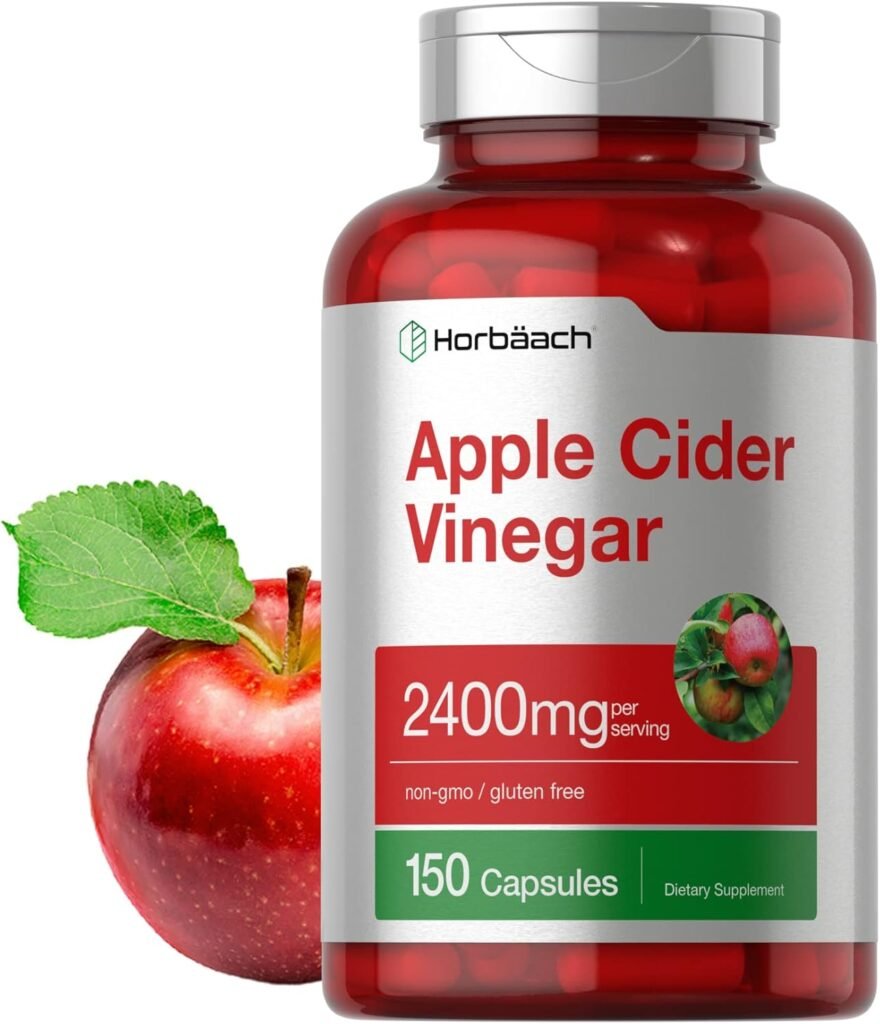
ACV capsules — These are appealing because there’s no taste, no enamel risk, and they’re easy to take on the road. We’ve used Horbaach Apple Cider Vinegar Capsules, and they’re a solid option. The downside is you lose the mother in most capsule forms, and you miss the digestive-triggering effect of actually tasting the acidity before a meal. It serves a purpose on the road. Not our daily go-to.
ACV gummies — We’ve tried Goli Apple Cider Vinegar Gummies for the kids on occasion. They’re enjoyable, they do contain real ACV, and they’re much easier to get a thirteen-year-old to take. The honest limitation: they have added sugar, and the ACV content per gummy is lower than a tablespoon of liquid. They’re a reasonable option for occasional use, not a replacement for the real thing.

Store-brand filtered ACV — Cheap and widely available, but it’s usually pasteurized and filtered. No mother, no enzymes, significantly less benefit. We don’t use it for health purposes — we keep a bottle of it for cleaning.
Bragg is still our daily driver. The mother is intact, the sourcing is transparent, and we’ve used it long enough to feel confident recommending it.
How to Add Apple Cider Vinegar to Your Routine
If you want to try it, start here:
- Start small. Begin with one teaspoon in eight ounces of water. Work up to one tablespoon, then two, over a couple of weeks. Going straight to two tablespoons can cause nausea if your body isn’t used to it.
- Always dilute it. Never drink ACV straight. The acidity can damage tooth enamel and irritate your throat and esophagus. Always dilute in in water.
- Drink through a straw if possible. This reduces contact with your teeth.
- Rinse your mouth afterward. Or wait 30 minutes to brush — brushing immediately after can scrub softened enamel.
- Time it before meals. If blood sugar stability is your goal, take it ten to fifteen minutes before your biggest meal of the day.
- Use raw, unfiltered. Look for “with the mother” on the label. Bragg is the easiest to find at most grocery stores. The cloudy strands in the bottle are normal and good — shake before using.
- Be consistent. ACV is not a one-time flush. The benefits people report come from daily use over weeks and months, not a three-day “cleanse.”
Frequently Asked Questions
Q: Does apple cider vinegar actually detox your liver? A: Not in any direct, measurable way. Your liver detoxes itself continuously — it doesn’t need ACV to do that job. What ACV can do is support the conditions that make your body’s natural detox pathways work better: steadier blood sugar, better digestion, a healthier gut. That’s a meaningful benefit, just a different one than the marketing implies.
Q: How much apple cider vinegar should I take per day? A: Most research and practical experience points to one to two tablespoons per day as the sweet spot — always diluted in water. More than that doesn’t add more benefit and increases the risk of digestive irritation or enamel damage.
Q: Can I give apple cider vinegar to my kids? A: In small, diluted amounts, it’s generally considered safe for older kids. We didn’t give it to our young children straight — the acidity is too much for smaller systems. Always check with your pediatrician if you’re unsure.
Q: Is an ACV “detox drink” in the morning actually worth it? A: The morning ACV drink is one of the most consistent habits people stick to, and there’s a practical reason — it sets a tone for the day and may help with digestion from your first meal onward. Whether it “detoxes” you in a dramatic sense is not the right question. Whether it supports better digestion and steadier energy is — and for a lot of people, the answer is yes.
Q: What’s the difference between ACV with the mother and regular ACV? A: The “mother” is a colony of beneficial bacteria and enzymes that forms naturally during fermentation and gets filtered out in cheaper, pasteurized versions. Raw, unfiltered ACV with the mother is more gut-friendly and is the version used in most research. Filtered ACV has most of those benefits removed — it’s fine for cooking and cleaning but not worth taking for health purposes.
Apple cider vinegar for detox is not the miracle it’s often sold as. But it’s also not the gimmick skeptics want to dismiss. Used consistently, diluted properly, and sourced from a quality raw product, it supports real things — digestion, blood sugar, gut health. That’s enough of a reason to keep it in our kitchen.
If you’re ready to try it, I suggest you start with Bragg Organic Apple Cider Vinegar — it’s what we use every morning and the version that consistently shows up in the research. Grab a bottle, start small, and give it a few weeks before you decide if it’s worth the habit.
We share what works for our family based on our own research and experience. This is not medical advice. Always consult your healthcare provider.