Cleaning With Vinegar: What It Actually Disinfects (and What It Doesn’t)
This post contains affiliate links. If you buy through our links, we may earn a small commission at no extra cost to you — and it helps keep Forged Family HQ running. We only recommend what we actually use or have researched thoroughly.
You grabbed the white vinegar. You’ve seen it all over Pinterest — cleaning with vinegar for this, cleaning with vinegar for that. It sounds perfect: cheap, non-toxic, already in your pantry. But then you Googled “does vinegar kill mold” and got five different answers in five minutes. Now you’re not sure if it’s the miracle cleaner everyone says it is or just a good-smelling myth.
We’ve been there. And honestly, vinegar deserves a straight answer — not hype, not fear, just the facts.
Vinegar is genuinely useful for a lot of things. But it isn’t magic, and using it wrong can damage surfaces you’re trying to protect. This guide covers some of what it actually does — and doesn’t do — then walks through how to use it well in the most common spots around the house.
What Vinegar Actually Does (and Doesn’t Do)
White vinegar is acetic acid diluted in water — typically at about 5% acidity for household vinegar, or 6% for cleaning vinegar. That acid is what does the work.
It’s good at breaking down mineral deposits, soap scum, and hard water buildup. It cuts through grease. It neutralizes odors instead of masking them. And it does have some antibacterial properties — studies have shown it can reduce certain strains of bacteria on surfaces.
But here’s where we want to be honest with you: vinegar is not a registered disinfectant. It doesn’t kill everything. Pathogens like Staph aureus, Salmonella, and some common viruses are not reliably eliminated by vinegar alone. If someone in your house has been sick, or you’ve had raw meat on a surface, vinegar isn’t really the right tool for that cleanup. You’ll want a proper disinfectant for situations like those.
For everyday cleaning — keeping counters fresh, dissolving grime, deodorizing drains, descaling appliances — vinegar does a solid job. It’s a maintenance workhorse, not a replacement for medical-grade sanitation.
How We Actually Use Vinegar in Our Home Week to Week
Here’s what our actual routine looks like — not the Pinterest version, the real one.
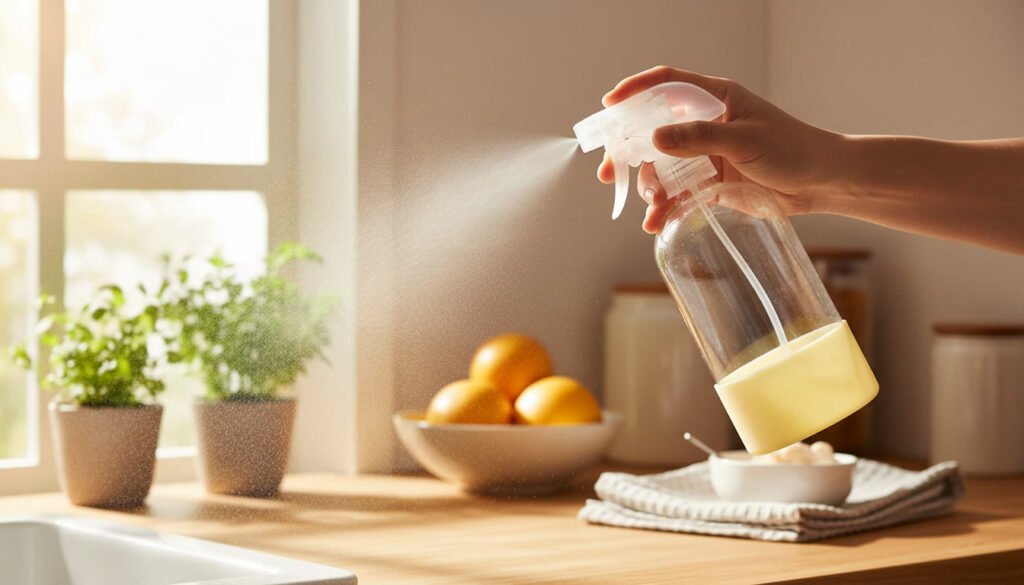
For kitchen cleaning day, I fill one of our glass spray bottles about halfway with Heinz Cleaning Vinegar and top it off with water. That’s roughly a 50/50 mix for counters, the stovetop, and the outside of appliances. I spray, let it sit for about 30 seconds, and wipe with a microfiber cloth. The smell fades within 20 minutes once it’s dry — if you can’t stand it while cleaning, crack a window.
Once a week, I run the dishwasher and coffee maker cycle with straight white vinegar — about a cup each. Takes maybe two minutes of actual effort, and the coffee genuinely tastes better after. If you haven’t descaled your coffee maker in months, that first round is worth doing twice.
For the bathrooms, I go straight — no dilution. I spray the grout, the faucet bases, and the rubber seal on the washing machine with undiluted cleaning vinegar. On problem spots or anywhere I see early mold forming, I add tea tree oil to a fresh bottle before spraying. That combination has become our go-to for the washing machine seal specifically — it used to get that pink mildew ring every few weeks. We haven’t had it since switching to this routine.
The kids are comfortable with vinegar around the house — it’s one of the few things I genuinely don’t worry about leaving under the sink. Once dry, it’s completely safe, and there’s nothing to accidentally mix into something dangerous (as long as you keep it away from bleach, which we don’t use at all anymore).
Total time investment per week: maybe 15 minutes across the whole house. That’s the honest number.
Cleaning With Vinegar for Mold — When It Helps and When to Call Someone
Mold cleaning with vinegar is one of the most searched topics around this subject, and for good reason. Fewer and fewer people want to reach for bleach every time they see a pink ring around the tub.
Undiluted white vinegar has been shown to inhibit and kill certain mold species on non-porous surfaces. Spray it directly — don’t dilute it for mold — let it sit for at least an hour, then scrub with a brush and wipe clean. For grout, bathroom tile, window sills, or the rubber seal around your washing machine, this has worked well for us.
Our Tip: add 10–15 drops of tea tree oil to the spray bottle to make it even more effective. Tea tree oil has natural antifungal properties that complement the vinegar. It can also smell better than straight vinegar to many people, though the vinegar smell does dissipate within a few hours.
One thing we want to be clear about: if you’re dealing with large areas of mold — anything bigger than roughly a 10-square-inch patch — or mold inside your walls, attic, or HVAC system, please call a professional. Vinegar isn’t going to handle that, and disturbing large mold colonies without the right equipment can make things worse. Also, never mix vinegar with bleach. The combination releases chlorine gas, and that’s not something you want in your home.
Drain Cleaning With Vinegar — The Baking Soda Method That Actually Works
Drain cleaning with vinegar is one of those things that feels like it shouldn’t work — but it does, within its limits.
The classic combination is baking soda and vinegar, and the fizzing reaction is real and useful. Here’s the simple method we use:
- Pour ½ cup of baking soda down the drain.
- Follow with 1 cup of white vinegar.
- Cover the drain immediately (a stopper or a plate works) to keep the reaction working inside the pipe rather than bubbling up and out.
- Let it sit for 15–30 minutes.
- Flush with a full kettle of boiling water.
The baking soda loosens soft buildup; the vinegar dissolves grease and soap scum and deodorizes at the same time. Great for slow drains from everyday buildup, and for keeping drains smelling fresh.
One honest note: if your drain is fully clogged, this won’t clear it. A real blockage needs a drain snake or a plumber. This is a maintenance method — not an emergency fix.
And for those of you homeschooling and looking for a fun project — baking soda and vinegar can be quite enjoyable and educational.
Cleaning With Vinegar for Produce — Is It Worth It?
A diluted vinegar soak (1 part white vinegar to 3 parts water) has been shown to reduce surface bacteria and some pesticide residue more effectively than rinsing with plain water. Leafy greens get a 2-minute soak, then a rinse. Firm produce — apples, peppers, cucumbers — gets a quick dip or spray and rinse.
We do this a few times a week, usually when we bring groceries in. It takes about three extra minutes and has become as automatic as washing hands before cooking. We use a large mixing bowl filled with the diluted solution — no special equipment needed.
Delicate produce like berries is a quicker process: a 30-second swirl in a very diluted mix (more like 1 part vinegar to 5 parts water), then a gentle rinse and pat dry. Soaking berries too long softens them, so keep it brief.
It won’t remove everything, and it’s not a substitute for sourcing wisely. But it’s a simple, low-cost step that adds a real layer of reassurance to your produce prep. Worth doing.
Cleaning With Vinegar on Floors — What’s Safe and What’s Not
Diluted white vinegar is an effective floor cleaner — for certain floors. The key word is certain.
Use it on: ceramic tile, porcelain tile, vinyl, linoleum, and laminate (no-wax). A solution of ½ cup white vinegar per gallon of warm water cleans without leaving residue, and a few drops of essential oil (lavender or lemon are our go-to) leaves the room smelling clean.
Do not use it on: hardwood, natural stone (marble, granite, slate, travertine), or waxed floors. The acid in vinegar will dull and eventually etch these surfaces over time. It also strips the protective finish on hardwood. Even if you’ve seen it recommended somewhere, we’d steer clear on these surfaces — it’s the kind of damage that builds up slowly until it’s noticeable, and then you can’t undo it.
If you’re not sure what kind of floors you have, test in an inconspicuous corner first, or check the manufacturer’s care guide.
Cleaning Appliances With Vinegar — Dishwasher, Coffee Maker, and Oven
Dishwasher – Cleaning With Vinegar
Your dishwasher cleans everything else in the house, but it doesn’t clean itself. Mineral deposits, soap residue, and food particles build up in the filter and along the spray arms over time.
Once a month, place a dishwasher-safe cup filled with white vinegar on the top rack of an otherwise empty dishwasher and run a full hot-water cycle. The vinegar works through the machine, dissolving mineral deposits and deodorizing at the same time.
Coffee Maker – Cleaning With Vinegar
If your coffee has started tasting off, or your machine seems to brew slower than it used to, mineral buildup is often the reason. Cleaning your coffee maker with vinegar is one of the most commonly recommended descaling methods — and many manufacturers actually suggest it in their care guides.
Fill the water reservoir with equal parts white vinegar and water. Run a full brew cycle. Then run two full cycles with plain water to rinse the vinegar out completely. Do this monthly if you have hard water, or every 2–3 months otherwise. You’ll notice cleaner-tasting coffee almost immediately.
Oven – Cleaning With Vinegar
Spray the oven interior with undiluted white vinegar, then sprinkle baking soda over the wet surfaces. Let the fizzing reaction work for 15–20 minutes, then wipe down with a damp cloth. Repeat on stubborn spots. It’s not going to touch a seriously neglected oven, but for regular maintenance it keeps things clean without fumes.
What We Actually Use — Products Worth Keeping on Hand
You don’t need much to build a solid vinegar-based cleaning routine. Here’s what we keep stocked:
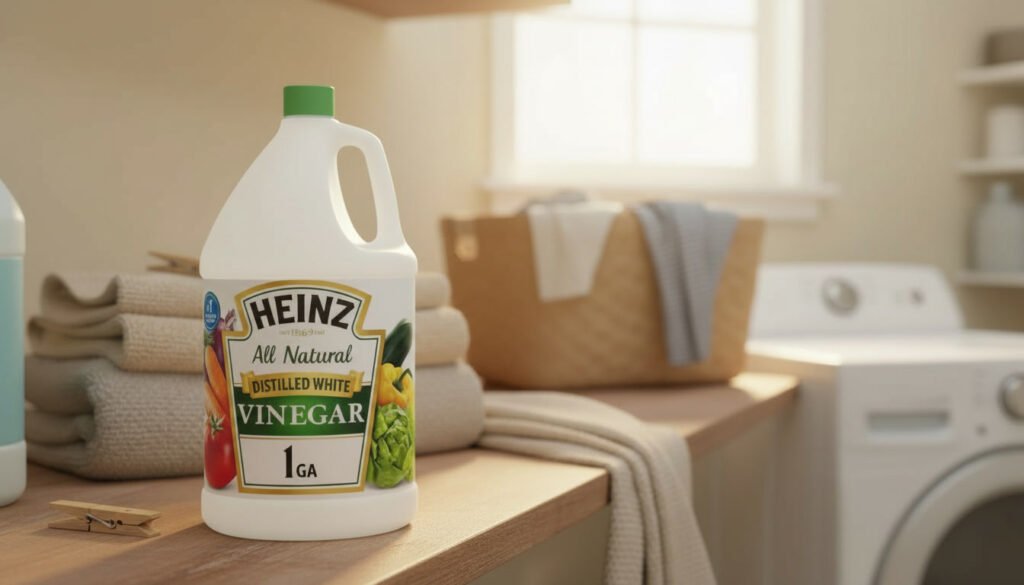
Heinz Cleaning Vinegar This is a 6% acidity vinegar — slightly stronger than standard white vinegar — specifically formulated for cleaning. It’s affordable, widely available, and makes a noticeable difference on tough mineral deposits and grout. Best for anyone doing regular deep cleaning on tile, appliances, or bathroom surfaces. One honest note: the smell is sharper than regular vinegar, so ventilate well when using it undiluted.
Reusable Glass Spray Bottles Mixing your own cleaning solutions and storing them in glass spray bottles is a simple switch that reduces plastic waste and keeps your solutions fresher. Look for amber or dark glass if you’re adding essential oils. A good set lasts for years. Ideal for anyone building a multi-purpose cleaning kit they want to actually stick with. The downside: glass is heavier than plastic, which matters if your kids are helping with chores. Note: if you’re using essential oils in your spray, I’d recommend an amber UV-protected glass bottle.

Fiora Naturals Organic Tea Tree Essential Oil This is what we sometimes add to our vinegar spray for mold and bathroom surfaces — 10 to 15 drops per bottle. Tea tree oil has natural antifungal properties that give the vinegar a real boost in problem areas like grout and washing machine seals. Best for families dealing with recurring bathroom mold or musty laundry smells. The glass dropper makes it easy to measure without overdoing it. One honest note: a little goes a long way, and too much can leave a strong medicinal smell that lingers.
Quick Reference — Where Vinegar Works (and Where to Skip It)
| USE IT ✅ | SKIP IT ❌ |
|---|---|
| Ceramic and tile floors | Hardwood floors |
| Bathroom tile and grout | Natural stone (marble, granite, slate) |
| Dishwasher descaling | Raw meat spill areas |
| Coffee maker descaling | Cast iron cookware |
| Drains (maintenance) | Egg spills (sets the protein) |
| Produce washing | Seriously clogged drains |
| Oven maintenance | Painted walls (can strip) |
| Glass and mirrors | Waxed floors |
| Laundry deodorizing | Active illness disinfection |
Frequently Asked Questions
Q: Is cleaning with vinegar safe around kids and pets? A: Yes — diluted white vinegar is non-toxic and considered safe once it’s dry. The smell dissipates within an hour or two in a ventilated space. Avoid spraying it directly near pets, and let floors dry before kids or animals walk on them.
Q: What kind of vinegar should I use for cleaning? A: Distilled white vinegar at 5% acidity is the standard and works well for most tasks. Cleaning vinegar at 6% acidity is slightly stronger and good for tough buildup. Apple cider vinegar works in a pinch but can leave a brownish residue and tends to be more expensive.
Q: Can I mix vinegar with dish soap in the same bottle? A: It’s better not to. The acidity in vinegar reacts with the surfactants in dish soap, reducing the effectiveness of both. Use them separately — dish soap for scrubbing, vinegar for rinsing or descaling — and you’ll get better results from each.
Q: Does vinegar really kill mold? A: It can kill certain mold species on non-porous surfaces when applied undiluted and given time to work. It’s a reasonable first response for small surface mold in bathrooms or around appliances. For larger infestations or mold on porous materials like drywall, professional remediation is the right call.
Q: How often should I clean my dishwasher and coffee maker with vinegar? A: Once a month is a good rhythm for both, especially if you have hard water. You’ll notice cleaner coffee flavor and a fresher-smelling dishwasher almost immediately after the first treatment.
Vinegar isn’t going to replace every cleaner in your home — and it shouldn’t have to. But used in the right spots, it’s one of the most honest, affordable tools you can keep under the sink. The reference table above is yours to bookmark and come back to whenever you need it. If this guide helped, share it with a parent who’s been asking about natural cleaning options — or drop your questions in the comments and we’ll answer them.
Interested in finding out if chamomile tea is good for stomach acid, read more here.
We share what works for our family based on our own research and experience. This is not medical advice. Always consult your healthcare provider.